
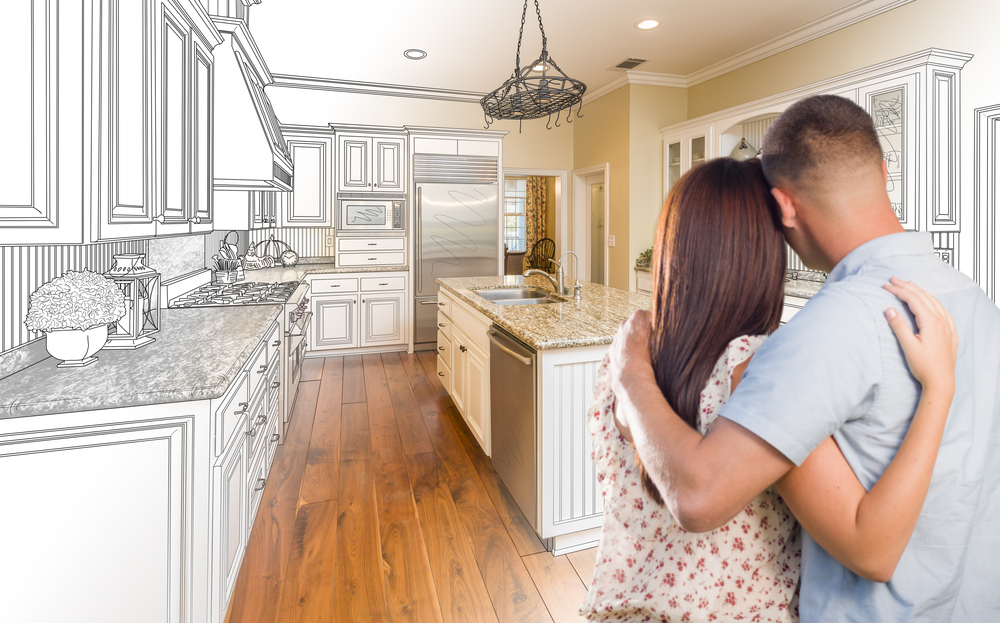
Planning a Home Remodel? Here’s How to Prepare Your Family and Budget
May 11, 2026 7:13 pm Leave your thoughtsHome remodels are one of the most exciting yet overwhelming projects a homeowner can take on. Whether you’re dreaming of a chef’s kitchen, a spa-like bathroom, or an open-concept living space, the reality of a remodel involves far more planning than most people expect. Before the first nail is hammered or the first wall comes down, you need to set your family and your finances up for success.
Getting ahead of the details now will save you stress, money, and relationships later.
Setting Realistic Expectations Before the Work Begins
One of the biggest mistakes homeowners make with home remodels is underestimating how disruptive the process will be. A project that looks clean and simple on a Pinterest board can turn into weeks of dust, noise, and limited access to basic amenities. The sooner your family understands this reality, the better everyone will cope.
Start by having an honest conversation with every member of your household. If you have young children, consider how the noise and mess will affect their routines. If you have elderly family members living with you, think about how their mobility and comfort might be impacted by construction zones and temporary relocations of furniture or appliances. Pets are another consideration. Construction noise, open doors, and unfamiliar workers can cause anxiety for animals, so plan ahead for their safety and comfort.
Setting a realistic timeline is equally important. Most contractors will give you an estimated completion date, but experienced homeowners know that home remodels almost always take longer than originally projected. Build buffer time into your expectations, and resist the urge to plan major life events like holiday gatherings or family visits around a remodel finish date.
How to Build a Smart Budget for Home Remodels
Budgeting for a remodel is part science and part art. You need real numbers from contractors, but you also need the wisdom to know those numbers will shift. Industry professionals generally recommend setting aside an additional 10 to 20 percent of your total project budget as a contingency fund. This money is not meant to be spent freely; it exists specifically to cover surprises like outdated plumbing hidden behind walls, structural issues discovered mid-project, or material price increases.
Begin the budgeting process by getting at least three quotes from licensed contractors. Do not rely on a single estimate, no matter how much you trust the source. Comparing multiple quotes gives you a realistic picture of what your project should cost in your local market. It also gives you leverage and options if one contractor is significantly higher or lower than the others.
Break your budget into categories: labor, materials, permits, design fees, and that all-important contingency fund. Permits are often overlooked by first-time remodelers, but they are a non-negotiable part of many home remodels. Skipping permits to save money can result in fines, forced demolition, and serious complications when you try to sell your home in the future.
If you are financing your remodel, explore your options carefully. Home equity lines of credit, personal loans, and cash-out refinancing each come with different interest rates, repayment terms, and risks. Speak with a financial advisor before committing to any financing strategy, particularly if you are borrowing a significant sum.
Preparing Your Family for Life During Construction
Living through a remodel, especially a large one, is a test of patience and flexibility. The more you prepare your family for the day-to-day realities of construction life, the smoother the experience will be.
Start by establishing clear boundaries within your home. Work with your contractor to identify which areas will be active construction zones and which will remain livable. Communicate those boundaries clearly to your children and make sure they understand that construction areas are off-limits for safety reasons. Temporary barriers, locked doors, and clear signage can help reinforce these rules.
Depending on the scope of your remodel, you may need to temporarily relocate certain daily activities. Kitchen remodels are a prime example. If your kitchen will be inaccessible for several weeks, set up a temporary cooking station in another room with a microwave, electric kettle, and mini fridge. Plan easy, no-cook meals and identify nearby restaurants or meal delivery services that can fill the gaps without busting your budget.
Dust and debris are unavoidable in home remodels, but you can minimize their impact on the rest of your home. Talk to your contractor about containment strategies, such as plastic sheeting and air filtration systems. Wash bedding and clothing more frequently during the project, and consider investing in air purifiers for bedrooms, especially if anyone in your household has allergies or respiratory sensitivities.
Communication with your contractor is also key to keeping your family’s daily life running smoothly. Establish a regular check-in schedule so you always know what work is planned for the coming days. This allows you to plan around particularly noisy or messy phases of the project.
Navigating the Emotional Side of Home Remodels
Nobody talks enough about the emotional toll that home remodels can take on a family. The combination of financial stress, disrupted routines, and the pressure of major decision-making can strain even the strongest relationships. Acknowledging this reality upfront can help your household navigate the rough patches more gracefully.
Decision fatigue is a genuine challenge during remodels. You will be asked to make dozens of choices, from tile grout colors to cabinet hardware to lighting fixtures. Making too many decisions too quickly can lead to choices you later regret. One way to combat this is to do your research well in advance. Use design apps, visit showrooms, and create mood boards before your project starts so that when decision time comes, you are choosing from a pre-approved shortlist rather than starting from scratch.
Disagreements between partners are also common during home remodels. One person may want to splurge on a high-end countertop while the other wants to stay conservative with the budget. One person may be more tolerant of the mess while the other is struggling. Create space for open, non-judgmental conversations about these differences. Agree on a decision-making process before the project begins, whether that means one person has final say on aesthetics while the other manages the budget, or whether all major decisions require agreement from both parties.
It is also important to celebrate small wins along the way. When the demo is done, acknowledge it. When the flooring goes in, take a moment to appreciate the progress. Home remodels are long, and keeping your spirits up requires intentional effort.
Staying on Track From Start to Finish
The final stretch of a remodel is often the hardest. Scope creep, the tendency to add new features or upgrades once the project is underway, is one of the biggest budget killers in home remodels. Every time you say “while we’re at it, let’s also…” you are potentially adding days and dollars to your project. Be disciplined about sticking to your original scope unless you have a very compelling reason to deviate.
Keep thorough records throughout the project. Save all contracts, invoices, receipts, and written communications with your contractor. Take photos at every stage of the remodel, especially before walls are closed up. These records protect you legally and can be invaluable if disputes arise or if you need to reference the location of pipes and wiring in the future.
Finally, do a thorough walkthrough with your contractor before making your final payment. Create a punch list of any incomplete or unsatisfactory items and get written confirmation of when and how they will be addressed. Do not release final payment until you are genuinely satisfied with the work.
Conclusion
Successful home remodels come down to preparation, communication, and patience. By setting realistic expectations, building a thoughtful budget, and keeping your family’s wellbeing at the center of your planning, you can get through the chaos and come out the other side with a home you truly love.
Need a Custom Home Builder Near You?
We are a family-owned and -operated home building company that has been in business since 1947. We want to bring your dreams to life through custom home builds or remodeling projects. If you are looking to build a new home in the area, we can help you every step of the way. We are known in the area for our high-quality construction. If you are looking to freshen up your existing home we can remodel bathrooms or kitchens, work on new additions, and more. We also do more specialty projects such as creating custom, built-in furniture or working on outdoor living spaces like screened in porches, decks, and patios. Contact us today to learn more about what we can do for you!
Categorised in: Remodeling Services
This post was written by admin